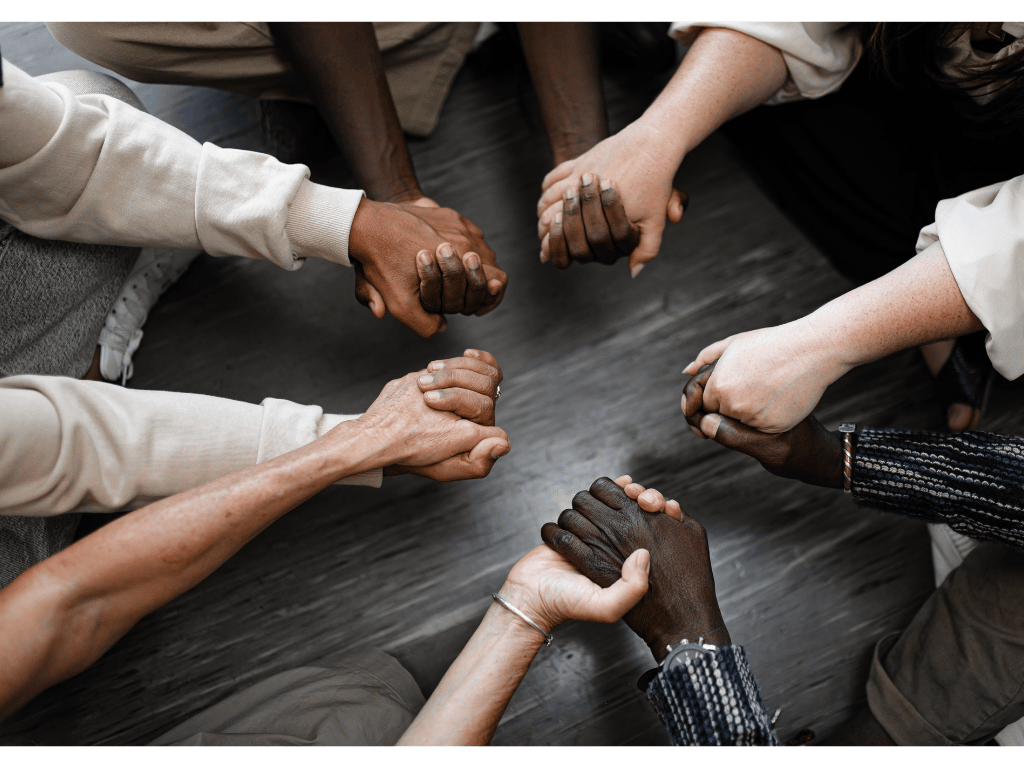
Join us in creating a future where everyone has the opportunity to thrive. Together, we can build stronger, more resilient communities and make a lasting impact on the lives of those in need.
Lukana Foundation is dedicated to making a meaningful difference in the lives of those we serve. Guided by compassion and strengthened by community support, we strive to uplift and empower individuals through impactful initiatives that foster growth, resilience, and long-term sustainability.
At Lukana Foundation, our mission is to empower individuals and build strong, united communities. We aim to address critical needs through initiatives that promote well-being, education, and sustainable development. We believe that everyone deserves a chance to thrive, and we work tirelessly to bridge the gap between need and opportunity.
At Lukana Foundation, we believe in the power of community and collective action. By supporting our mission, you help us provide essential services, resources, and support to those in need. Whether through donations, volunteering your time, or spreading the word, every contribution makes a difference.
Your generosity allows us to organize impactful programs, support community initiatives, and create lasting change in the lives of those who need it most. Join us in making a positive change—together, we can build a stronger, more compassionate community where everyone has the opportunity to thrive.
Volunteering with Lukana Foundation is a rewarding way to make a direct impact in your community. By offering your time and skills, you can help us organize events, assist with programs, and support our outreach efforts.
Whether you’re passionate about fundraising, event planning, or providing hands-on help, there’s a role for everyone. Volunteering not only helps those in need but also gives you the opportunity to connect with like-minded individuals, develop new skills, and contribute to a cause that truly matters.
Join our team and be part of a movement that is making a real difference in people’s lives.